Google Enables ‘Quick Share’ to Work With Apple ‘AirDrop’, Marking a Major Cross-Platform Breakthrough
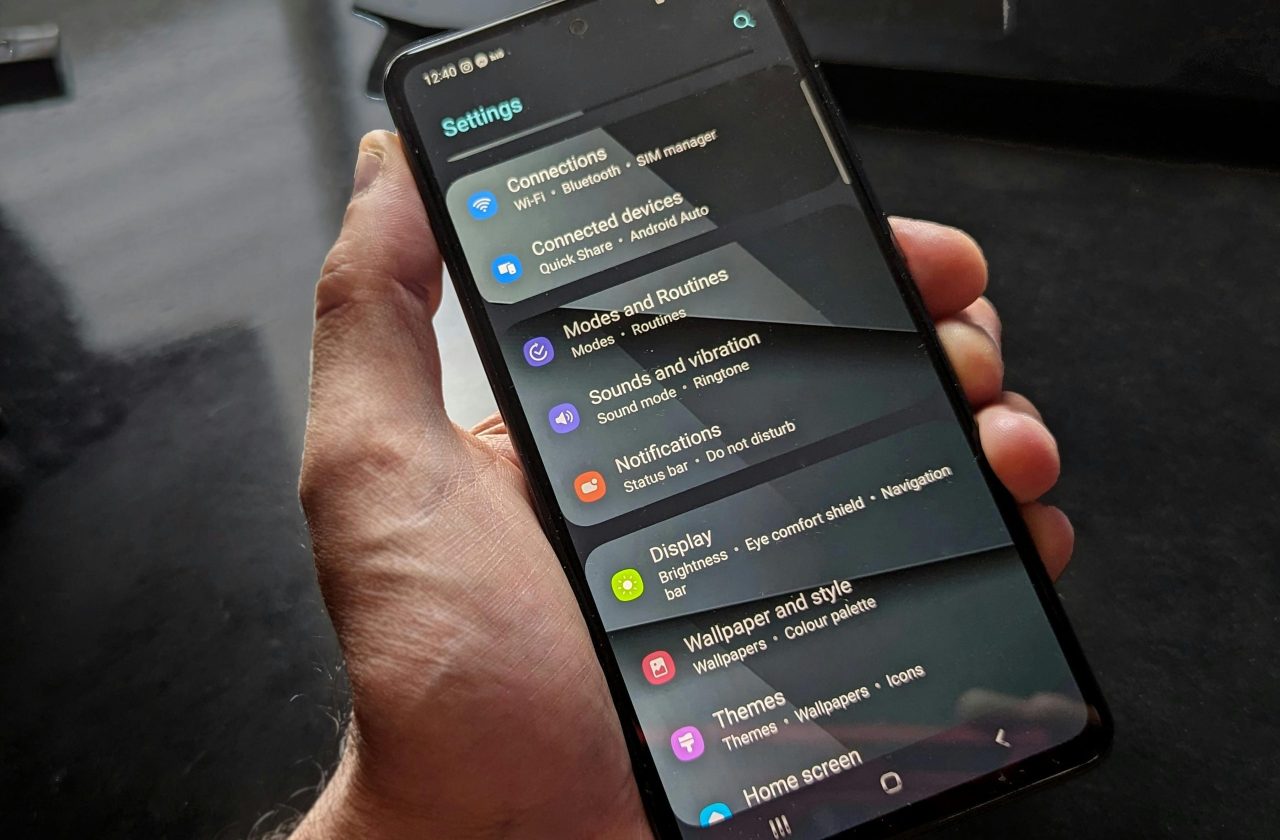

In a groundbreaking move that is said to bridge the long-standing divide between iOS and Android ecosystems, Google has announced that its Quick Share feature now fully supports Apple’s proprietary AirDrop protocol. This update allows users to effortlessly transfer files between compatible Android devices and iPhones, eliminating the need for clunky third-party apps or workarounds. The development, revealed just days ago, marks a significant step towards interoperability in mobile technology. And it is all thanks to regulatory pressure from the European Union.
“Apple devices with AirDrop enable it and set to ‘Everyone for 10 minutes’ mode will show up in Quick Share device list just like another Android phone would,” Google explained in an official blog post. Conversely, compatible Android devices appear in the iPhone’s AirDrop menu. This will allow bidirectional file sharing of photos, videos, documents, and more. Notably, this is not a collaborative effort between two tech giants. Google confirmed to The Verge that Apple played no direct role in the integration, crediting instead the EU’s push for open standards.
How it Works?
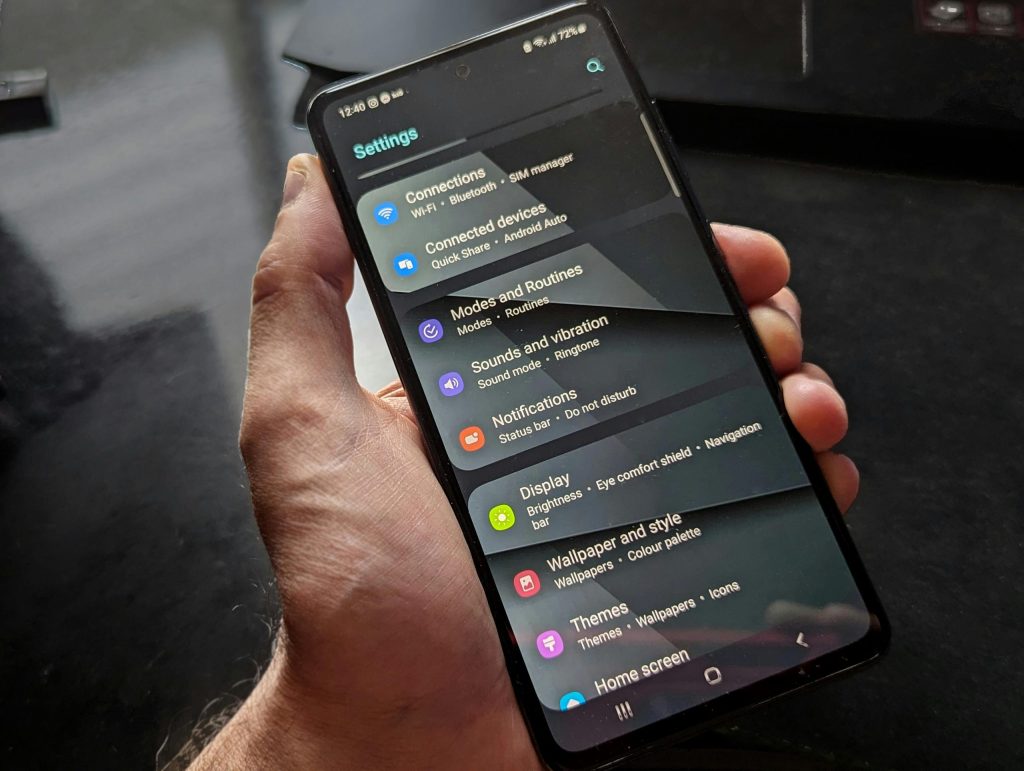
To use the new feature, Android users on the Pixel 10 series simply select Quick Share from the “Sharing Menu” after picking a file. On the iPhone side, users must temporarily switch AirDrops to “Everyone for 10 minutes” mode in Control Center, thereby bypassing the default “Contacts Only” setting, which is not yet compatible. Once connected, transfer occurs via a secure, direct Bluetooth and Wi Fi link, with recipients prompted to approve each file manually.
Security remains the priority. Google emphasizes that the peer-to-peer method avoids external servers, reducing privacy risks associated with some alternative apps. Transfers are encrypted end to end, and the feature supports a range of up to 30 feet, much like the original AirDrop.
However, limitations persist. The integration won’t work with AirDrop in “Contact Only” mode, potentially frustrating users who prioritize privacy. Additionally, it’s currently exclusive to the Google Pixel 10 lineup, though Google promises expansion to other Android devices. However, the issue of hardware and software compatibility is one such matter that has to be addressed accordingly.
Thawing Relations Between Apple and Google
This announcement follows a pattern of thawing relations between Apple and Google. Just last year, iOS gained RCS (Rich Communication Services) support. It plays a vital role in improving the messaging quality between iPhone and Android devices. This has led to the farewell to pixelated videos in green bubbles. Now with AirDrop Quick Share compatibility, these two platforms are inching closer to true seamlessness.
As the holiday season approaches, this update could not come at a better time. With the availability of this update, swapping family photos at gatherings without a hitch, that too regardless of the device you have, iPhone or Android, is the last thing you ask for.
What Next For Cross-Platform Sharing?
Google has not ruled out future enhancements, such as “Contact Only” support or integration with other Android manufacturers like Samsung. Meanwhile, third-party alternatives like AirDroid and Snapdrop continue to offer robust options.
With the EU’s influence proving pivotal, one can’t help but wonder: What other impossible features might soon become a reality.


