The Right to Repair & Sustainability: Why It Matters for Gadget Reviews
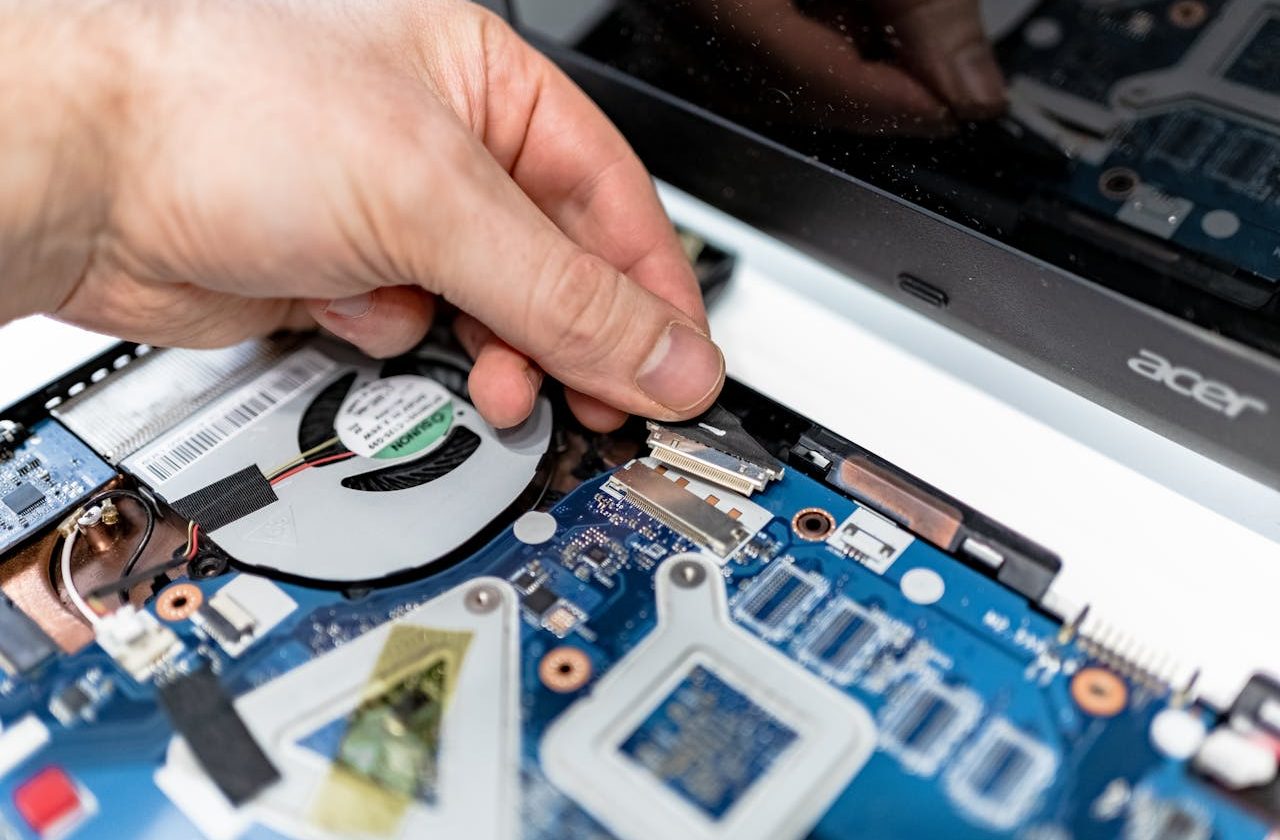

When reviewing modern gadgets, performance and design are no longer the only things that matter. More consumers are starting to ask a different question: How long will this device actually last?
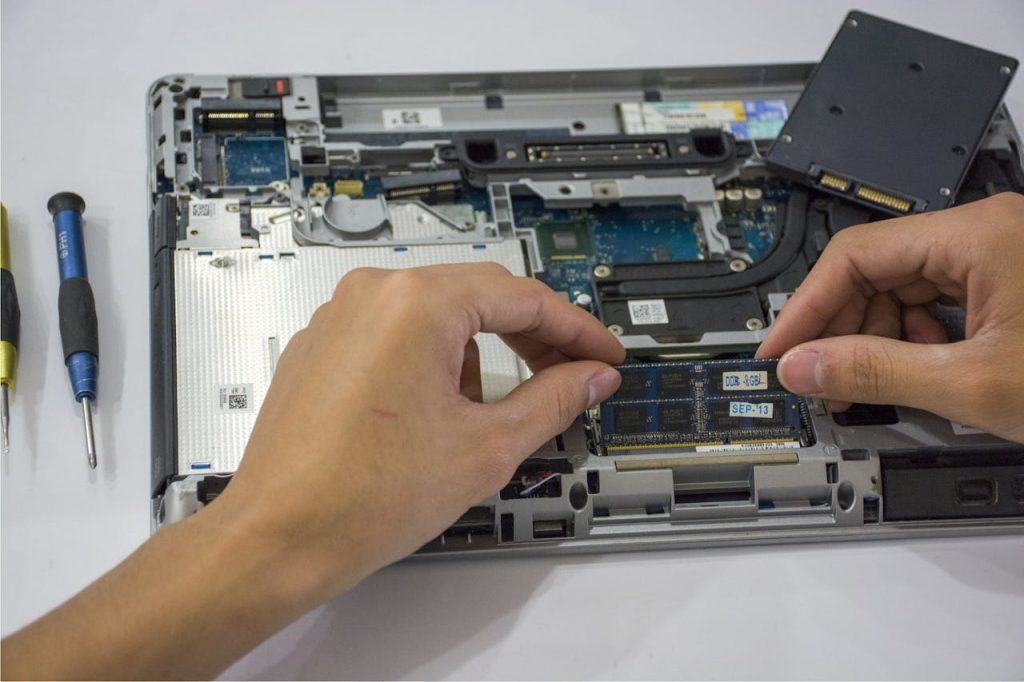
This is where the Right to Repair and sustainability enter the conversation—and why they deserve a place in every serious gadget review.
What Is the Right to Repair?
The Right to Repair refers to the idea that consumers should be able to fix the devices they own. That includes access to spare parts, repair tools, documentation, and software support—without being forced to rely solely on the manufacturer.
In practical terms, it means:
- Replacing a battery without specialized equipment
- Fixing a broken screen without voiding warranties
- Keeping a device functional beyond its “intended” lifespan
For gadget buyers, this isn’t about politics. It’s about ownership, longevity, and value.
Why the Right to Repair Matters for Sustainability
Less Electronic Waste
Electronics are one of the fastest-growing sources of waste worldwide. Many devices are discarded not because they are obsolete, but because a single component fails—often a battery, port, or screen.
Repairable gadgets:
- Stay in use longer
- Reduce landfill waste
- Lower the demand for constant manufacturing
Extending the life of one device by even a year has a measurable environmental impact.

Longer Gadget Lifespan = Lower Footprint
Manufacturing electronics consumes raw materials, energy, and water. When a phone or laptop is replaced every two years instead of lasting five, its environmental cost multiplies.
From a sustainability perspective, the greenest gadget is the one you don’t replace.
Planned Obsolescence vs Repairability
Many modern gadgets are designed with planned obsolescence in mind:
- Glued batteries
- Proprietary screws
- Software locks and restricted repairs
These design choices don’t improve user experience—they limit repair options and encourage upgrades.
From a review standpoint, this matters. A sleek design loses its appeal when:
- Battery replacement costs nearly as much as a new device
- Simple repairs require full device replacement
Repairable Gadgets vs Disposable Tech
What Makes a Gadget Repair-Friendly?
When reviewing a device, repairability often comes down to a few clear factors:
- Modular internal design
- Standard screws instead of adhesives
- Replaceable batteries or ports
- Official availability of spare parts
Devices built with these principles tend to age better and hold their value longer.
Why This Belongs in Gadget Reviews
Traditional reviews focus on specs, benchmarks, and features. But long-term ownership tells a different story.
Two gadgets with similar performance can differ drastically in:
- Repair costs
- Downtime
- Total cost of ownership
A device that’s slightly less powerful but easier to repair may be the smarter, more sustainable choice.
Repairability as a Review Metric
More review platforms are starting to factor in repairability scores or teardown evaluations. These insights help buyers understand what happens after the warranty expires.
Including repairability in reviews:
- Encourages transparency
- Rewards better product design
- Helps consumers make informed decisions
At TechByteHaven, sustainability isn’t about labeling products as “good” or “bad.” It’s about giving readers the full picture.
Sustainability Benefits for Everyday Users
Choosing repairable gadgets isn’t just better for the planet—it benefits users directly:
- Lower long-term costs
- Fewer forced upgrades
- Greater control over owned devices
Sustainable tech is often practical tech, not niche or experimental.
Common Arguments Against the Right to Repair
Manufacturers often raise concerns around:
- Safety risks
- Security vulnerabilities
- Warranty abuse
While some concerns are valid, many can be addressed through proper documentation and user choice. Restricting all repairs to prevent misuse often does more harm than good.
The Future of Sustainable Gadget Design
Consumer awareness is shifting. Buyers are starting to value:
- Longevity over novelty
- Repairability over ultra-thin designs
- Software support alongside hardware quality
As this trend grows, sustainability and repairability will likely become competitive advantages, not compromises.
How to Choose More Sustainable Gadgets
When reading or comparing gadget reviews, consider:
- Is the battery replaceable?
- Are spare parts available?
- How long is software support promised?
- Has the device been evaluated for repairability?
Small choices add up—especially when millions of users make them.
Final Thoughts
The Right to Repair is not just a consumer rights issue. It’s a sustainability issue, a cost issue, and a review quality issue.
Gadget reviews that ignore repairability tell only half the story. Devices should be evaluated not just on how they perform on day one, but on how they age over time.
Better repairability leads to longer-lasting gadgets, less waste, and smarter buying decisions—and that benefits everyone.






1 comment